
Eczema (atopic dermatitis)
Updated · SkinWise Clinic
Eczema describes several inflammatory skin conditions that can cause itch, dryness and recurrent rash. Atopic dermatitis is one common form; contact dermatitis has different triggers. Assessment identifies the pattern and guides skin care, anti-inflammatory treatment and investigation where useful.
Eczema can affect sleep and daily comfort even when the rash covers a small area. Tell the dermatologist about the sites involved, itch, product exposure and previous prescriptions.
A recurring rash should not automatically be treated as a food allergy or fungal infection. The diagnosis and body site matter when selecting a cream.
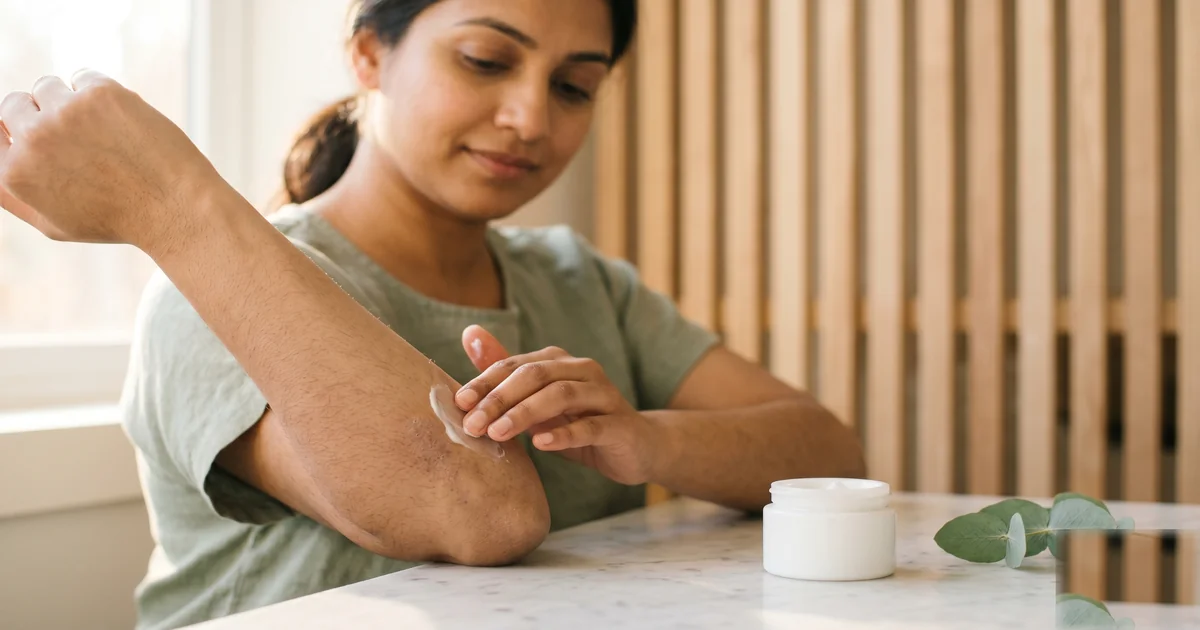
How eczema shows up
- Itch and dryness
- Inflamed, rough or cracked areas
- Skin thickening after repeated scratching
- Possible colour change after a flare
What triggers eczema flares
- Atopic tendency and altered skin barrier in atopic dermatitis
- Irritants or allergens in some forms of eczema
- Individual environmental and product exposures
When to see a dermatologist
Seek assessment for persistent itch, disturbed sleep or recurrent rash. Painful blisters, fever, rapidly spreading inflammation or signs of infection need prompt medical advice.
How eczema is treated at SkinWise
Care depends on the eczema type, site, severity and impact. Moisturising and suitable anti-inflammatory treatment may be combined. Persistent or more extensive atopic dermatitis can require other options; routine elimination diets or broad allergy panels are not a default solution.
Services that treat eczema
Evidence behind these choices
- Atopic dermatitis: joint practice guideline (2023)
Addresses atopic dermatitis treatments and the limits of routine dietary avoidance. It does not identify every eczema rash as atopic dermatitis or justify a single cream for every site and age.
Read more
Frequently asked questions
Are all eczema creams interchangeable?
No. The diagnosis, site, age and treatment strength affect suitability. Follow the instructions for the actual prescription.
Should I exclude foods?
Do not remove major foods without appropriate assessment, particularly for children. A suspected reaction needs a careful history and selected investigation.
Ready to start with a consult?
A focused first consultation is where we slow down, map your concern and build the smallest plan that will actually move the needle. No oversell, no fixed menu.